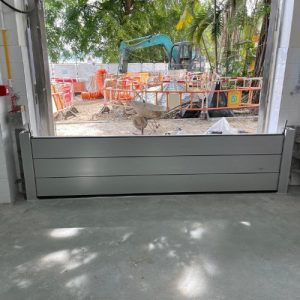
Residential flood barriers stand as the first shield against rising water. Many families rely on these barriers for home flood protection and long-term safety. Studies show that installing water barriers can reduce damage to buildings by nearly 29%.
Home flood protection measures also help protect valuable possessions and lower repair costs. Proactive flood protection gives residential homeowners more control and peace of mind during severe weather.
What Are Residential Flood Barriers?
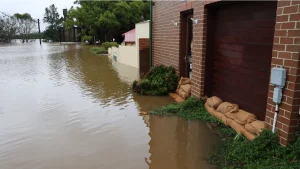
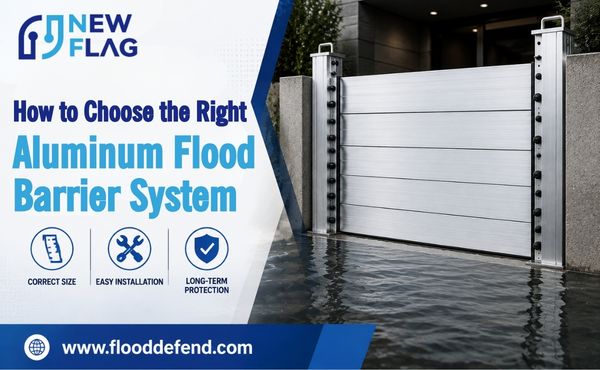
Residential flood barriers are protective systems designed to keep floodwater out of homes. These barriers help prevent water from entering vulnerable areas, such as doors, windows, and garages.
Many homeowners rely on residential flood barriers to reduce the risk of property damage and maintain safety during severe weather events.
Types of Flood Barriers for Homes
There are several types of flood barriers available for residential use. Each type offers unique benefits and suits different flood protection needs:
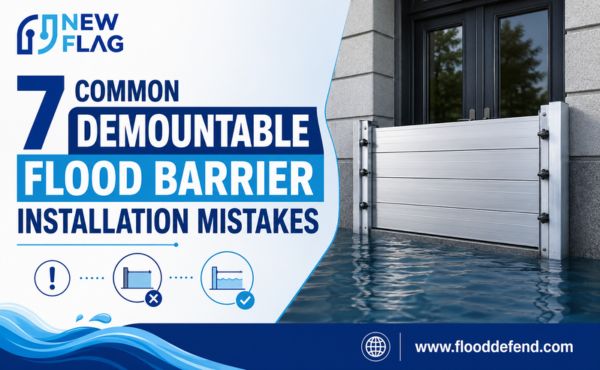
- Modular flood panels: These barriers are durable and reusable. They form a watertight seal and can be quickly assembled to protect doors and windows.
- Inflatable flood barriers: Water-filled tubes create a temporary wall. Homeowners can deploy them rapidly when flood warnings occur.
- Self-closing flood barriers: These barriers automatically rise in response to water, providing hands-free protection.
- Sandbags: Traditional sandbags offer short-term flood defense. They require manual setup and are best for low-flow situations.
Tip: When choosing types of flood barriers, consider the flood risk level, property type, ease of deployment, and budget. Some systems work better for homes, while others suit businesses.
Materials Used in Residential Flood Barriers
The materials used in residential flood barriers affect their durability, ease of use, and environmental impact. The table below highlights common materials and their advantages:
| Material Type | Advantages |
|---|---|
| Reinforced PVC Plastic | Requires small storage space; provides stability against floodwater. |
| Polyester and Polyethylene | Impermeable; achieves stability through shape and weight of filling material. |
| Flexible Plastic | Anchored for stability; uses floodwater as filling material. |
| Rigid Self-Supporting Elements | Quick and easy to deploy; modular design allows for easy assembly. |
| Freestanding A-Frame Metal Barrier | Works well in uneven terrain; lightweight and easy to carry. |
| Water-Filled Containers | Cellular structure; can be linked together; minor leaks can be repaired in service. |
Many residential flood barriers use recyclable or biodegradable materials. These choices help reduce environmental impact and support sustainable flood protection. Manufacturers continue to improve designs, making flood barriers more durable and eco-friendly.
How Residential Flood Barriers Work
Blocking Water From Vulnerable Areas
Floodwater often enters homes through doorways, windows, and garages. Residential flood barriers provide a strong defense by sealing these entry points. Most flood barrier products use reinforced PVC or aluminum to create a tight seal.
Some systems use a pump action to inflate and form an airtight barrier. Closed cell sponge neoprene lines the bottom and sides of openings, filling gaps at door thresholds. These features help prevent flood damage and keep water out.
- Flood barriers can be installed quickly to protect doors and windows.
- Materials like reinforced PVC and aluminum increase effectiveness.
- Sealing entry points reduces flood risks and property damage.
- Some barriers use inflatable seals for extra protection.
- Neoprene lining ensures a watertight seal at thresholds.
Flood control starts with securing the most vulnerable areas. By blocking water at these points, residential flood barriers lower the risk of costly repairs and loss of valuables.
Benefits Of Flood Protection For Homeowners
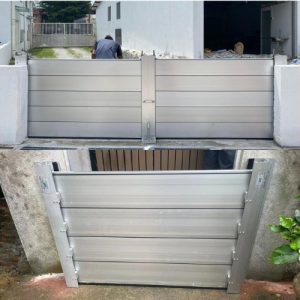
Continuous Defense Against Floods
Flood protection systems provide ongoing defense for residential properties. Flood barriers stand ready to block water during storms and heavy rainfall. Homeowners who install residential flood barriers gain reliable flood control for vulnerable areas.
These barriers help prevent flood damage to doors, windows, and garages. Flood solutions work around the clock, offering peace of mind even when residents are away. Flood mitigation measures, such as engineered panels and sump pumps, further strengthen home defense.
Flood barrier products have proven effectiveness in reducing water intrusion and protecting valuable possessions.
- Flood protection systems operate automatically or can be deployed quickly.
- Flood barriers shield homes from repeated flood events.
- Flood control measures reduce the risk of costly repairs and loss of property.
Tip: Regular maintenance of flood barriers increases their effectiveness and ensures continuous protection.
Cost Savings And Reduced Damage
Flood damage can lead to expensive repairs and replacement costs. Residential flood barriers help homeowners avoid these financial burdens. Flood protection systems minimize water entry, which lowers the risk of structural damage and mold growth.
Insurance companies recognize the value of flood mitigation. Installing flood solutions, such as custom panels or flood doors, can reduce insurance premiums. Insurers often reward proactive steps that lower flood risk.
- Installing flood mitigation systems can significantly reduce flood risk and lower insurance premiums.
- Elevating utilities and electrical systems further decreases flood risk.
- Engineered flood barriers show insurers that a property is prepared for flooding.
Flood control measures also speed up recovery after a flood. Homes with effective flood protection experience less damage, which means faster cleanup and restoration. Reduced flood damage leads to fewer insurance claims and lower long-term costs.
Increased Property Value And Peace Of Mind
Flood protection has a direct impact on property value, especially in flood-prone regions. Homes in these areas often face devaluation due to buyer concerns about flood risks.
Flood barriers and other flood solutions help reverse this trend. The table below explains how flood protection affects property values:
| Impact Factor | Description |
|---|---|
| Devaluation of Flood-Prone Properties | Homes in flood zones typically have lower market values due to buyer hesitance regarding flood risks. |
| Community-Wide Effects | Neighborhoods with frequent flooding may become less desirable, affecting property values even for unaffected homes. |
| Increased Insurance Costs | High flood insurance premiums can deter buyers, lowering property values in flood-prone areas. |
Flood protection measures, such as residential flood barriers, make homes more attractive to buyers. Lower insurance costs and reduced flood risk increase market value. Homeowners who invest in flood control gain confidence in their property’s safety. Peace of mind comes from knowing that flood barrier products offer reliable defense against future floods.
- Flood protection increases buyer interest in residential properties.
- Effective flood solutions help maintain or raise property values.
- Homeowners feel secure, knowing their investment is protected.
Note: Flood protection not only safeguards homes but also supports community resilience and stability.
Choosing The Right Flood Solutions
Permanent Vs. Temporary Flood Barriers
Selecting the right flood barrier depends on the level of flood risk and the needs of each residential property. Permanent flood barriers offer a comprehensive defense system for homes in high-risk areas. These barriers require professional installation and regular maintenance.
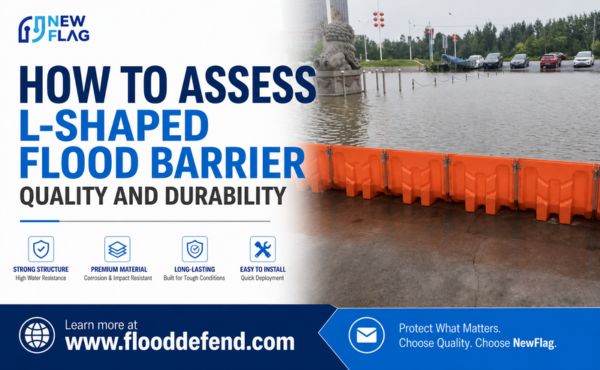
They provide long-term flood control and are ideal for properties that face frequent flooding. Temporary barriers, such as portable panels or inflatable tubes, are more cost-effective and can be set up by homeowners.
These solutions work well for moderate flood risks or temporary residences.
Key factors to consider include:
- Cost: Portable systems are usually less expensive upfront, while permanent barriers offer better long-term value.
- Installation: Permanent barriers need professional help and permits. Portable options allow for quick homeowner setup.
- Maintenance: Permanent barriers require regular inspections. Portable barriers need basic cleaning and storage after use.
- Suitability: Permanent barriers fit high-risk, long-term homes. Portable barriers suit moderate-risk or short-term properties.
A flood risk assessment helps determine which type of barrier is most effective. Experts recommend permanent barriers for consistent protection in high-risk zones. Temporary barriers provide flexibility and are best for areas with occasional flooding.
| Factor | Description |
|---|---|
| Geographic Location | The area where the home sits affects flood risk and barrier choice. |
| History of Flooding | Past flood events show the likelihood of future flooding. |
| Architectural Layout | The design of the home influences which flood solutions work best. |
| Urban Development Impact | More paved surfaces can increase flood risks, requiring stronger protection. |
| Risk Assessment | A thorough review helps prioritize the need for flood barriers. |
Smart Investment For Home Flood Protection
Investing in residential flood barriers protects against costly flood damage. Even minor flooding can cause thousands in repairs, and standard insurance often does not cover these losses.
Proactive flood mitigation, such as installing flood barrier products, reduces the financial burden and speeds up recovery.
When choosing flood solutions, homeowners should:
- Assess flood risk level. High-risk homes may need permanent barriers, while lower-risk areas can use temporary solutions.
- Consider the size of the area to protect. Large spaces may need scalable options like inflatable barriers.
- Determine the budget. Options range from affordable sandbags to advanced flood protection technology.
- Evaluate storage and deployment needs. Some barriers require storage space and setup time, while permanent solutions need ongoing maintenance.
A mixed approach can offer the best protection and cost savings. For example, one homeowner in a flood-prone neighborhood installed permanent barriers at the front entrance and used portable panels for the garage.
This combination provided effective solutions during a recent storm, preventing water from entering the home.
Flood control measures, when chosen wisely, increase the effectiveness of a residential flood defense plan. Homeowners who invest in the right solution gain peace of mind and long-term security.
Conclusion
Residential flood barriers play a vital role in long-term home protection. These solutions support flood resilience by:
- Protecting your home’s structure and foundation
- Safeguarding your belongings from water damage
- Reducing financial loss from repairs
- Increasing safety for your family
Flood resilience also brings ongoing cost savings and security for residential homeowners:
| Benefit | Description |
|---|---|
| Cost Savings | Prevents thousands in repair costs after flooding. |
| Increased Property Value | Homes with protection often have higher market values. |
| Insurance Alignment | Helps meet guidelines and may lower insurance costs. |
Investing in residential flood barriers ensures lasting security and peace of mind.