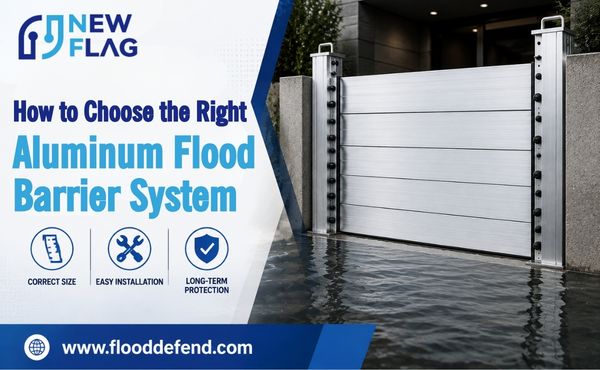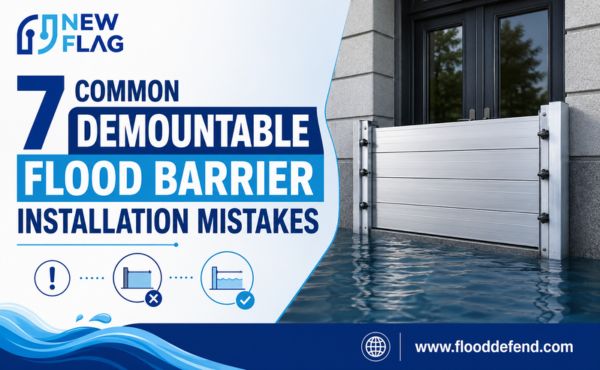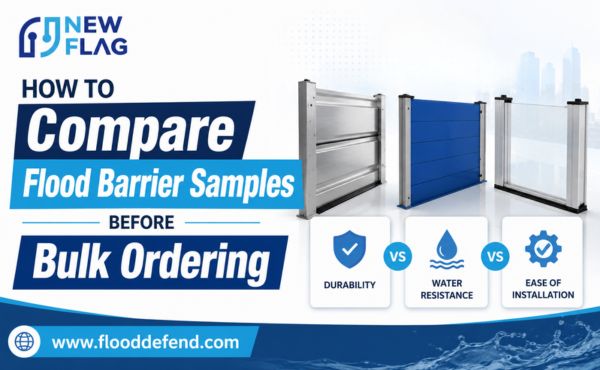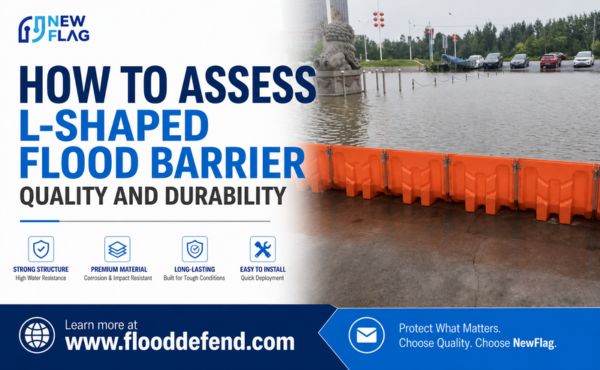
Glass Flood Walls play a critical role in protecting properties and infrastructure from rising water levels. By understanding the working principles of these walls, engineers and property owners can ensure effective flood prevention, structural stability, and long-term durability. This article examines how Glass Flood Walls operate, their key design features, and why they are a reliable solution for mitigating flood risks in both urban and coastal environments.
Glass Floodwall Design and Purpose
Flood Protection Barrier Features
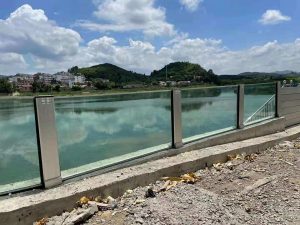
A floodwall serves as a flood protection barrier that blocks water from entering important spaces. Engineers select features that improve both safety and function. The main goal is to keep water out during a flood while allowing people to see through the barrier.
Key features include thick glass panels, strong frames, and watertight seals. These parts work together to create a reliable flood protection barrier. The glass panels resist water pressure, and the frames hold each floodwall in place. Watertight gaskets seal the edges and stop leaks.
Some floodwalls use modular designs. This allows for easy installation and removal. The barrier can be adjusted to fit different locations and needs. Engineers test each flood protection barrier to make sure it meets safety standards.
Visual and Structural Benefits
A floodwall offers more than just protection. The clear glass panels keep views open and let in natural light. This design helps public spaces and buildings feel welcoming, even when a flood protection barrier is in place.
Structural benefits include high resistance to water and debris. The barrier stands firm during a flood and does not bend or break easily. Engineers choose materials that last for many years and require little maintenance.
| Benefit | Description |
|---|---|
| Clear Views | Allows visibility and light |
| Strong Structure | Resists water and debris |
| Flexible Design | Fits many locations |
| Long-Lasting Materials | Reduces need for repairs |
A floodwall combines visual appeal with strong protection. The design supports both safety and style. People can trust a flood protection barrier to keep their property safe during a flood.
Working Principles of Glass Floodwalls
Structural Integrity and Load Resistance
A floodwall must have strong structural integrity to protect against rising floodwaters. Engineers design each structure to resist the force of water pushing against the barrier. The glass panels are thick and reinforced to handle heavy loads.
Frames made from steel or aluminum add extra support. These frames keep the structure stable during a flood. Engineering analyses help determine the best frame size and shape for each location.
Load resistance is a key part of every floodwall. The structure must stay in place even when water levels change quickly. Engineers test each barrier to make sure it will not fail under pressure.
Water Sealing and Debris Impact
Water sealing is essential for any floodwall. Watertight gaskets line the edges of each glass panel. These seals stop floodwaters from leaking through the barrier.
Debris impact is another challenge for water barriers. Floodwaters often carry branches, trash, and other objects. The structure must resist these impacts without breaking.
Engineered glass can absorb shocks from debris. The frames and gaskets work together to keep the barrier strong. This combination of features ensures reliable protection during a flood.
| Feature | Function |
|---|---|
| Watertight Gaskets | Block floodwaters |
| Reinforced Glass | Resist debris impact |
| Strong Frames | Hold the structure in place |
Material Selection for Floodwalls
Material selection affects the strength and durability of a floodwall. Engineers choose materials that last for many years and require little maintenance. Glass panels must be thick and treated for extra toughness.
Frames use metals like steel or aluminum for added support. These materials resist rust and corrosion from water exposure. The right materials help the structure stay strong through many flood events.
Future-proofing is important for flood protection. Engineers consider climate change and rising water levels in their designs. Careful material selection ensures the barrier will work well for years to come.
A floodwall combines advanced engineering with smart material choices. The structure provides safety, durability, and clear views. Careful engineering analyses and regular maintenance keep each barrier ready for the next flood.
Installation and Maintenance of Floodwall Barriers
Installation Methods
Engineers follow a detailed plan when installing glass floodwall barriers. The process starts with preparing the site and checking the ground for stability. Workers assemble the frames and secure them to the foundation.
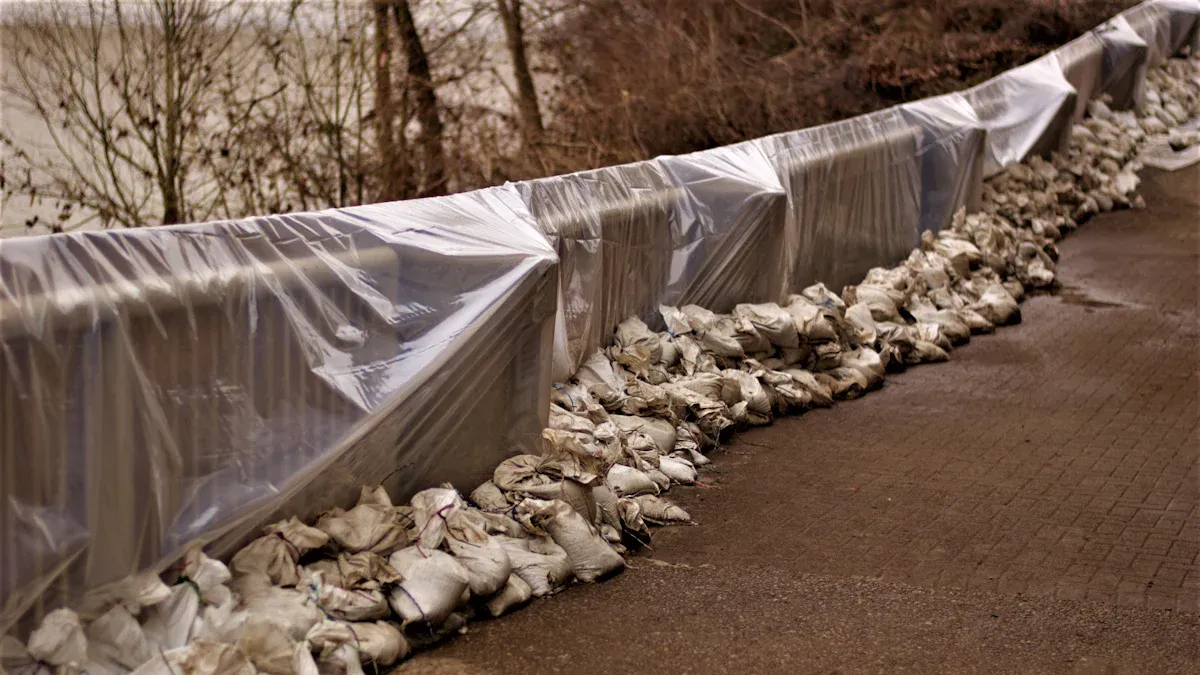
Glass panels fit into the frames, and watertight gaskets seal each edge. This step prevents flood water from leaking through the barrier. Some projects use temporary flood barriers or an inflatable flood barrier for extra protection during installation.
Proper drainage is important during setup. Teams check for good flood drainage around the site. This helps keep water from building up behind the wall.
Maintenance and Longevity
Regular maintenance keeps a floodwall barrier strong and reliable. Teams inspect the glass panels and frames for cracks or damage. They also check the watertight gaskets to make sure they block water during a flood.
A good maintenance plan includes cleaning the glass and removing debris. This helps the barrier last longer and work well in every flood event. Some owners add an inflatable flood barrier as a backup in their plan.
Flood insurance often requires proof of regular checks and repairs. Keeping records of maintenance can help with flood insurance claims. A strong plan protects both property and investment.
Cost and Value Factors
The cost of a glass floodwall depends on size, materials, and installation needs. High-quality materials and expert installation add value over time. Owners should compare the cost of a floodwall to the price of flood insurance and possible flood damage.
A well-built floodwall can lower flood insurance rates. It also reduces the risk of costly repairs after a flood. Planning for maintenance and upgrades increases the value of the barrier.
| Factor | Impact on Value |
|---|---|
| Quality Materials | Longer lifespan |
| Regular Maintenance | Fewer repairs |
| Good Drainage | Better flood protection |
| Insurance Savings | Lower long-term costs |
A smart plan for installation and care helps a floodwall barrier protect property for many years.
Practical Considerations for Flood Protection Barriers
Compliance and Standards
Every flood defense system must meet strict rules. Local and national standards guide the design and installation of barriers. These rules help prevent floodwaters from reaching important areas.
Engineers check that each perimeter engineered barrier follows these standards. Regular inspections make sure the barrier stays safe and strong. Meeting these rules lowers the risk of failure during a flood event.
Property Suitability
Not every property needs the same flood control solutions. The location, size, and layout of a building affect the choice of barrier. Engineers study the area to find the best way to protect it.
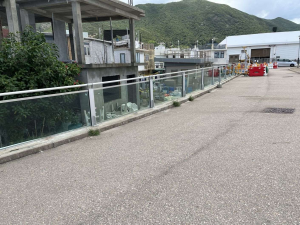
A glass flood wall works well for places with open views. Other sites may need different types of barriers. The right choice keeps people and property safe during a flood.
| Property Type | Best Barrier Option |
|---|---|
| Homes near rivers | Glass flood wall |
| City buildings | Modular flood barriers |
| Parks and plazas | Transparent perimeter barrier |
Disaster Planning
Good planning helps people stay safe during a flood event. Property owners should know how to use their flood barriers. Training and drills prepare everyone for emergencies.
A flood defense system works best with a clear plan. Owners should keep emergency contacts and supplies ready. This helps reduce risk and damage when a flood happens.
Conclusion
Glass Flood Walls offer a reliable combination of strength, durability, and visibility, effectively protecting properties from rising water and debris during floods. Their engineered design ensures long-term performance with proper installation and maintenance, making them a practical solution for both urban and coastal areas. By combining safety, transparency, and resilience, Glass Flood Walls stand as an essential investment for modern infrastructure seeking effective and dependable flood protection.