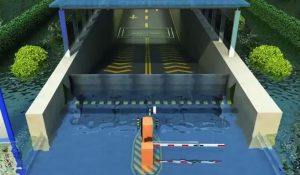
An automatic flood barrier provides a smart solution for flood protection. This system stays ready at all times. It uses rising water to activate itself without external power or manual effort.
The design includes reliable materials that allow quick deployment when water levels increase.
What Is an Automatic Flood Barrier

Definition and Purpose
An automatic flood barrier is a protective device that helps prevent water from entering buildings or critical areas during floods. This system stands out because it does not need electricity or human action to work. Rising water activates the barrier, which then lifts into place to block the flow.
The main function of this barrier is to provide immediate and reliable flood defense, especially during sudden storms or flash floods.
People use automatic flood barriers to protect entrances, garages, and other vulnerable spots. These barriers stay ready at all times.
They do not require someone to set them up before a flood. This feature makes them a smart choice for places where floods can happen quickly.
Note: Automatic flood barriers offer peace of mind because they work even when power fails or people are not present.
Key Features
Automatic flood barriers have several important features that make them effective:
- Passive Operation: The barrier activates itself when water rises. No one needs to push a button or pull a lever.
- Self-Closing Design: The system closes and seals the area as soon as water reaches a certain level. This action happens without delay.
- Always Ready: The barrier stays in a standby position, ready to deploy at any moment.
- Strong Structure: Most barriers use a stainless steel frame for strength and durability. An aluminum alloy float helps the barrier rise smoothly with the water.
- No Power Needed: The system does not rely on electricity or batteries. It uses the force of the water to lift and lock into place.
- Low Maintenance: The design reduces the need for regular checks or repairs.
These features help automatic flood barriers perform well in many situations. They protect homes, businesses, and public spaces from water damage. People trust these barriers because they work quickly and do not fail during power outages.
How Automatic Flood Barrier Works
Structure and Materials
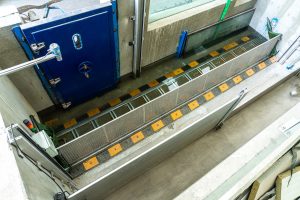
An automatic flood barrier uses a combination of strong and lightweight materials. The main frame often consists of stainless steel. This metal resists rust and provides solid support during high water pressure. The floating part usually contains aluminum alloy.
Aluminum alloy offers both strength and low weight, which helps the barrier rise smoothly when water levels increase. Seals and gaskets line the edges to prevent leaks. These parts create a tight fit against the ground and walls. Engineers design every component to withstand harsh weather and repeated use.
Tip: Stainless steel and aluminum alloy help the barrier last for many years, even in wet environments.
Activation Mechanism
Rising water triggers the automatic flood barrier. The float sits inside a channel or housing at ground level. When water enters this channel, the float begins to lift. Buoyancy causes the float to rise as the water level climbs.
The frame guides the float upward, turning it into a solid wall that blocks floodwater. No electricity or batteries power this process. The system relies only on the natural force of water. Once the water recedes, the barrier returns to its original position. This cycle repeats every time flooding occurs.
- The process works in three simple steps:
- Water enters the channel and lifts the float.
- The float rises and forms a barrier.
- The barrier lowers when water goes away.
This design ensures the barrier activates even if no one is present.
Performance and Reliability
Automatic flood barriers perform well during storms and power outages. The system does not depend on outside energy sources. It works in all weather conditions, including heavy rain and strong winds. The materials resist corrosion and damage from debris.
Seals keep water from leaking through gaps. People trust these barriers because they activate quickly and do not require human action. Maintenance needs stay low due to the simple design. Regular inspections help keep the system ready for the next flood.
Note: Automatic flood barriers provide stable protection, even when other systems fail during emergencies.
Types of Automatic Flood Barriers
Automatic flood barriers come in several types. Each type uses a unique design to stop water and protect property. Understanding these types helps people choose the right solution for their needs.
Self-Closing Barriers
Self-closing barriers use the force of rising water to activate. The barrier sits flat or hidden in the ground when not in use. When water enters the channel, the float rises and lifts the barrier into place.
This action creates a wall that blocks floodwater from entering buildings or other protected areas.
- Key points about self-closing barriers:
- No need for electricity or manual setup.
- The barrier activates only when water reaches a certain level.
- The system resets itself after the water recedes.
Self-closing barriers work well for entrances, driveways, and areas where floods can happen quickly.
Vertical Passive Barriers
Vertical passive barriers stand upright and remain ready at all times. These barriers use a float or similar mechanism to rise straight up when water appears. The vertical movement creates a strong wall that resists water pressure.
- Features of vertical passive barriers:
- The barrier stays in a standby position.
- The float lifts the barrier vertically as water rises.
- The system does not need power or human action.
Vertical passive barriers often protect doorways, loading docks, and utility rooms. Their design allows for quick deployment during sudden floods.
Flip-Up and Pop-Up Barriers
Flip-up and pop-up barriers stay hidden or flush with the ground until needed. When water flows into the area, the barrier flips up or pops out of its housing. The movement forms a sturdy wall that blocks water.
| Type | Activation Method | Typical Use |
|---|---|---|
| Flip-Up | Water pressure | Walkways, entrances |
| Pop-Up | Buoyancy | Garages, low-lying areas |
Applications of Automatic Flood Barriers
Automatic flood barriers serve many roles in protecting property and infrastructure. Their passive design allows them to fit into different environments where water intrusion poses a risk.
Parking Entrances
Parking entrances often sit at ground level or below. Floodwater can enter these spaces quickly. Automatic flood barriers block water from flowing into parking garages and lots. They activate when water rises, keeping vehicles and equipment safe.
Many facilities choose these barriers for underground or basement parking areas.
Tip: Installing barriers at parking entrances helps reduce costly water damage and keeps access routes clear.
Building Doorways
Building doorways create vulnerable points during heavy rain or flash floods. Automatic flood barriers protect entryways by forming a seal when water approaches. They work well for homes, offices, and commercial buildings. The system stays hidden until needed, preserving the appearance of the entrance.
- Benefits for building doorways:
- Prevents water from entering interior spaces
- Reduces cleanup and repair costs
- Maintains building security during storms
Loading Docks
Loading docks often sit lower than surrounding ground. Water can collect in these areas and disrupt operations. Automatic flood barriers shield loading docks from flooding. They activate without manual effort, allowing businesses to continue work after storms.
Industrial and Utility Sites
Industrial and utility sites contain sensitive equipment and materials. Flooding can cause safety hazards and interrupt services. Automatic flood barriers protect these locations by blocking water from entering control rooms, substations, and storage areas. The barriers help maintain safety and reduce downtime.
Public Infrastructure
Public infrastructure includes roads, tunnels, and transit stations. Flooding in these areas can affect many people. Automatic flood barriers provide protection for entrances, walkways, and underground passages.
They activate quickly, helping keep transportation systems and public spaces open during severe weather.
Installation
Site Requirements
Automatic flood barriers need specific site conditions for proper installation. The ground must be level and stable. The area should allow enough space for the barrier’s frame and float mechanism. Most installers check for underground utilities before starting work.
They also look for obstacles like pipes or cables. The surface should support the weight of the barrier and resist shifting during floods.
Tip: A site assessment helps identify any challenges before installation begins.
Customization and Maintenance
Many automatic flood barriers offer customization options. Installers can adjust the length and height to fit different doorways, driveways, or entrances. Some barriers include special seals for uneven surfaces.
Others use coatings to match the surrounding area. These features help the barrier blend in and work well in unique locations.
Maintenance stays simple for most systems. Owners should inspect the barrier regularly for debris or damage. Cleaning the channel and float keeps the system ready for action. Technicians may check the seals and moving parts once or twice a year. Most barriers do not need complex repairs.
- Common maintenance tasks:
- Remove dirt and leaves from the channel.
- Check seals for wear.
- Test the float movement.
Conclusion
Automatic flood barriers provide reliable, passive protection against floods. These systems use rising water to activate without power or manual effort. Key benefits include quick response, low maintenance, and strong materials.
- Protects homes, businesses, and public spaces
- Works during storms and power outages
- Requires little upkeep