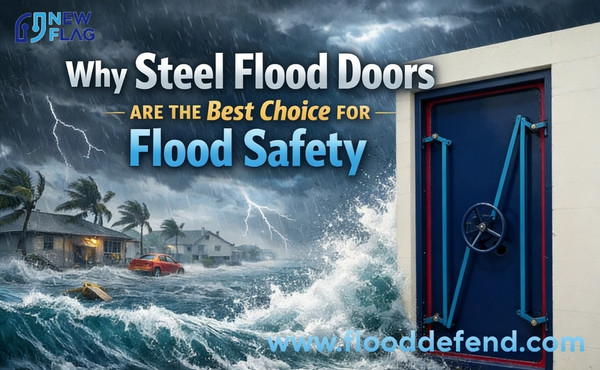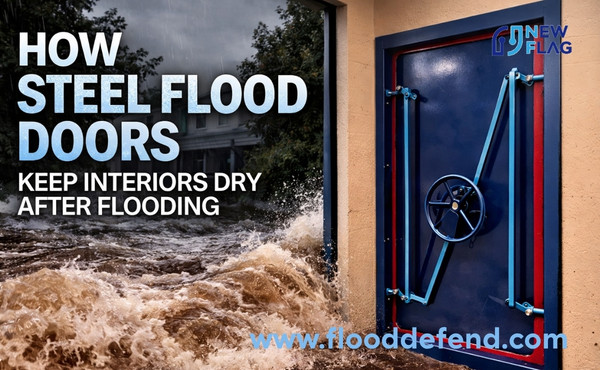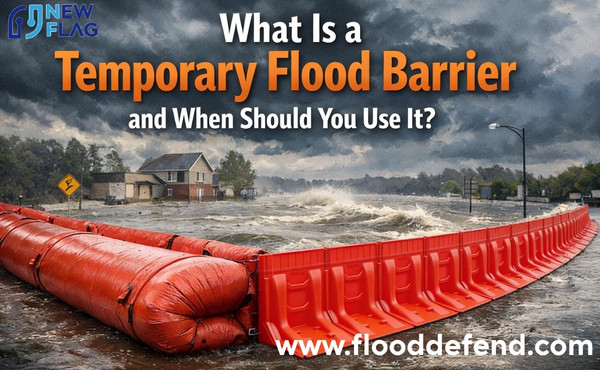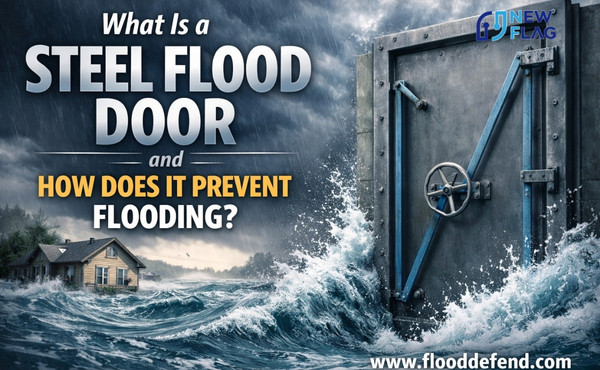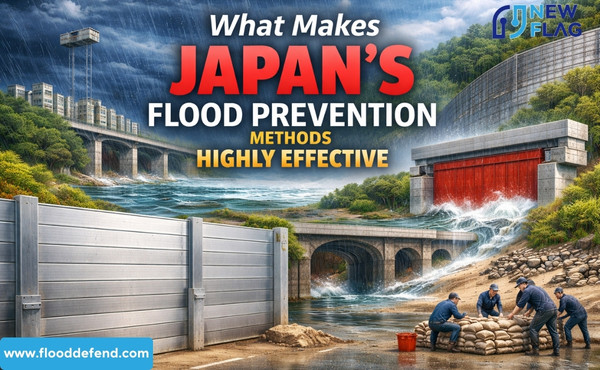
When it comes to protecting properties from rising waters, steel flood doors offer unmatched strength and reliability. Designed to withstand extreme flood conditions, they provide homeowners and businesses with a critical barrier against water damage, safeguarding both lives and assets. In this article, we’ll explore why choosing steel flood doors is the most effective strategy for comprehensive flood safety.
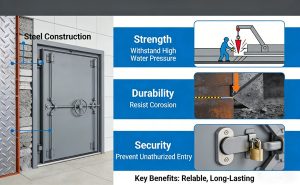
Strength and Durability of Steel Flood Doors
Reinforced Construction
Heavy-Gauge Steel Frame
Steel flood doors use a heavy-gauge steel frame to create a strong barrier. This frame resists bending and warping, even under high flood pressure. Many flood barriers for doors cannot match this level of strength.
Compression Seals for Flood Pressure
Compression seals line the edges of steel flood doors. These seals expand tightly when the door closes, blocking water from entering. This design helps the door withstand flood risk and keeps interiors dry.
Long-Term Reliability
Corrosion Resistance
Steel flood doors often feature coatings that protect against rust and corrosion. These coatings help the doors last longer, even in wet or humid environments. Flood guards made from steel maintain their integrity over many years.
Minimal Maintenance
Steel flood doors require little maintenance compared to other flood barriers for doors. Owners do not need to repaint or replace parts often. This reliability makes them an effective flood guard for both homes and businesses.
The combination of reinforced construction and high-performance sealing systems gives steel flood doors unmatched durability. These doors provide flood protection that lasts, reducing the risk of flood damage. Property owners can trust these flood guards to deliver consistent performance and peace of mind.
Flood barriers for doors made from other materials may weaken over time. Steel flood doors resist wear and tear, even with frequent use. They offer a dependable solution for anyone facing flood risk.
Passive Flood Protection Systems
Continuous Defense
No Activation Needed
Passive flood protection means the system works automatically. Steel flood doors do not need to be set up before a storm. They protect buildings from flood risk at all times.
Many flood barriers for doors require people to install or activate them when a flood is coming. This can be stressful and time-consuming. Steel flood doors stay in place and provide instant defense.
Peace of Mind for Owners
Property owners want to feel safe even when they are not home. Passive flood protection gives this peace of mind. The doors guard against water entry day and night.
There is no need to worry about forgetting to set up a barrier. The system works without human action. This reliability makes steel flood doors a smart choice for long-term safety.
Watertight Locking Mechanism
Lowest Leakage Rates
A watertight seal is a key feature of steel flood doors. The locking mechanism pulls the door tightly against its frame. This design keeps water out, even under high pressure.
Tests show that these doors have some of the lowest leakage rates in the industry. Water cannot seep through gaps or cracks. This level of flood protection helps prevent costly damage to property.
Benefits of watertight locking mechanisms:
- Stops water from entering
- Maintains seal during storms
- Reduces cleanup and repair costs
Steel flood doors offer a dependable solution for anyone facing flood risk. Their passive design and advanced sealing systems provide ongoing flood protection without extra effort.
Dual-Defense: Flood and Fire Barriers
Comprehensive Safety
Flood Resistance
Steel flood doors act as an effective flood guard by blocking water from entering buildings. Their reinforced panels and compression seals stop leaks during heavy storms. These doors outperform temporary flood guards because they do not shift or break under pressure.
Flood guards made from steel stay strong even when water levels rise quickly. Many deployable flood barriers require setup before a storm, but steel flood doors provide instant protection. This makes them a reliable choice for areas with frequent flood risk.
Fire Protection
Flood guards do more than stop water. They also help protect against fire. Steel does not burn or release toxic fumes when exposed to heat. This means steel flood doors can slow the spread of fire between rooms or buildings.
Many flood barriers for doors only focus on water. Steel flood doors add another layer of safety by acting as a fire barrier. This dual-defense feature is important for homes and businesses that need both flood protection and fire resistance.
Essential for Vulnerable Areas
Multi-Hazard Protection
Some regions face more than one type of disaster. Floods and fires can happen in the same season. Steel flood doors offer multi-hazard protection by serving as both flood guards and fire barriers.
A table below shows how steel flood doors compare to other options:
| Feature | Steel Flood Doors | Temporary Flood Guards | Deployable Flood Barriers |
|---|---|---|---|
| Flood Resistance | High | Medium | High |
| Fire Protection | Yes | No | No |
| Maintenance | Low | High | Medium |
| Activation Needed | No | Yes | Yes |
Steel flood doors provide continuous safety without extra steps. They work as an effective flood guard and a fire barrier at all times. This makes them a smart investment for buildings in high-risk zones.
Property owners who want strong flood protection and fire safety should consider steel flood doors. These doors deliver reliable defense against multiple hazards. They help reduce damage and keep people safe during emergencies.
Performance in Extreme Weather
Water Tightness
Preventing Water Ingress
Steel flood doors perform well during extreme weather events. Their design stops water from entering buildings. The watertight seal forms a barrier that keeps interiors dry even when floodwaters rise.
Flood barriers for doors often struggle to prevent leaks during heavy storms. Steel flood doors use advanced sealing systems that block water at every edge. Owners can rely on these doors for consistent flood protection.
Maintaining Seal Integrity
The integrity of the seal matters during prolonged exposure to water. Steel flood doors maintain their watertight seal even after repeated use. The materials resist swelling and shrinking, which helps the seal stay tight.
A table below shows how steel flood doors compare to other materials in maintaining seal integrity:
| Door Material | Seal Integrity During Floods | Maintenance Needs |
|---|---|---|
| Steel | High | Low |
| Wood | Low | High |
| Aluminum | Medium | Medium |
Steel flood doors do not lose their effectiveness over time. Owners do not need to worry about frequent maintenance or replacement. This reliability is important for areas with ongoing flood risk.
Wind and Impact Resistance
Structural Stability
Extreme weather often brings strong winds and flying debris. Steel flood doors withstand these forces due to their reinforced construction. The heavy-gauge steel frame stays stable even when wind pressure increases.
Many doors bend or break when hit by debris. Steel flood doors resist impacts and keep their shape. This structural stability ensures that the door continues to provide flood protection during and after severe weather.
Owners benefit from a door that stands up to multiple hazards. Steel flood doors offer a dependable solution for anyone facing flood risk. Their performance in extreme weather makes them a valuable addition to any property.
Cost-Effectiveness and Value
Lower Lifetime Costs
Reduced Repairs
Steel flood guards help property owners save money over time. These doors resist damage from water and impact, so they need fewer repairs. Many other barriers require frequent fixes after each flood event.
A table below shows the difference in repair needs:
| Barrier Type | Average Repairs Needed (per 10 years) |
|---|---|
| Steel Flood Guards | 1-2 |
| Wood Barriers | 4-6 |
| Composite Barriers | 3-5 |
Steel flood guards last longer and keep their strength. This durability reduces the total cost of ownership.
Energy Efficiency
Steel flood guards also help with energy efficiency. Their tight seals keep out drafts and moisture. This helps maintain indoor temperatures and lowers heating or cooling costs.
Benefits of energy-efficient flood guards:
- Less energy loss
- Lower utility bills
- Improved comfort year-round
Property owners can see savings on energy bills while enjoying better flood protection.
Insurance and Property Value
Insurance Savings
Insurance companies often give discounts for strong flood protection. Steel flood guards lower the risk of water damage. This can lead to lower insurance premiums for property owners.
Flood barriers for doors made from steel show insurers that a property is well protected. This can make it easier to get coverage and save money each year.
Increased Resale Appeal
Steel flood guards add value to a property. Buyers look for homes and businesses with reliable flood protection. A building with steel flood guards stands out in the market.
Reasons steel flood guards boost resale value:
- Permanent flood protection
- Low maintenance needs
- Extra safety features
Properties with steel flood guards often sell faster and at higher prices. This makes them a smart investment for the future.
Comparing Flood Barriers and Materials
Steel Flood Doors vs. Temporary Flood Barriers
Sandbags and Removable Solutions
Sandbags are a common choice for flood protection. People stack them to block water from entering buildings. Sandbags can be heavy and messy, and they often require a team to set up.
Removable solutions include panels and boards that fit over doors. These options must be installed before a storm. Many removable flood barriers need storage space and regular inspection.
Consistent Performance
Steel flood doors offer reliable performance during every flood event. They stay in place and do not need activation. Temporary flood guards may fail if not installed correctly.
Deployable flood barriers can be effective, but they depend on quick action. Steel flood doors protect buildings even when owners are away. This consistency reduces the risk of water damage.
A comparison table shows the differences:
| Feature | Steel Flood Doors | Sandbags | Removable Panels | Deployable Flood Barriers |
|---|---|---|---|---|
| Setup Required | No | Yes | Yes | Yes |
| Maintenance | Low | High | Medium | Medium |
| Performance | High | Low | Medium | High |
| Activation Needed | No | Yes | Yes | Yes |
Steel flood doors stand out for their ease of use and dependable protection.
Steel vs. Aluminum, Wood, Composite
Strength Differences
Steel flood doors are stronger than aluminum, wood, or composite doors. Steel resists bending and breaking under flood pressure. Aluminum doors are lighter but can dent or warp.
Wood doors absorb water and may swell or rot. Composite doors combine materials but often lack the strength of steel. Flood barriers made from steel last longer and perform better in harsh conditions.
Maintenance Concerns
Steel flood doors require less maintenance than other materials. Owners do not need to repaint or replace parts often. Aluminum doors may need repairs after impacts.
Wood doors need frequent checks for rot or mold. Composite doors may crack or split over time. Deployable flood barriers also need regular inspection and cleaning.
A simple checklist for maintenance:
- Steel: Inspect seals and hinges once a year.
- Aluminum: Check for dents and corrosion.
- Wood: Look for swelling, rot, and mold.
- Composite: Inspect for cracks and joint issues.
Steel flood doors save time and money on upkeep. They provide lasting protection for homes and businesses.

Practical Benefits for Owners
Customization Options
Architectural Integration
Steel flood doors can match many building styles. Manufacturers offer a range of finishes and colors. Owners can select doors that blend with the look of their property.
Some flood guards fit historic buildings without changing their appearance. Others suit modern designs and commercial spaces. This flexibility helps maintain property value and curb appeal.
Accessibility Features
Steel flood doors can include accessibility features. Wide openings and low thresholds make entry easier for everyone. Some models offer automatic opening systems.
These features help people with mobility challenges. Flood guards with accessibility options meet the needs of families and businesses. Owners can choose doors that support safety and convenience.
Accessibility benefits:
- Easier entry for wheelchairs
- Safer exits during emergencies
- Compliance with accessibility laws
Compliance and Standards
Building Codes
Steel flood doors meet strict building codes in many regions. Local authorities often require flood protection in high-risk areas. These doors pass tests for strength and water resistance.
A table below shows how steel flood doors compare to other barriers for code compliance:
| Barrier Type | Meets Flood Codes | Fire Safety Codes |
|---|---|---|
| Steel Flood Doors | Yes | Yes |
| Wood Barriers | No | No |
| Composite Doors | Sometimes | No |
Flood guards help owners avoid fines and delays. Choosing code-compliant doors ensures legal protection and peace of mind.
Insurance Requirements
Insurance companies look for reliable flood protection. Steel flood doors often meet the requirements for coverage. Owners may qualify for lower premiums and better policy terms.
Steel flood doors provide a permanent solution. They help owners meet both building and insurance standards. This makes them a smart investment for long-term safety.
Conclusion
Steel flood doors offer unmatched strength and reliability. They provide passive flood protection and act as both flood and fire barriers. Homeowners and businesses gain long-term value and peace of mind.