Flooding can cause severe structural damage and costly repairs, making reliable protection essential. A Steel Flood Door is a specialized barrier designed to prevent water from entering buildings during extreme weather or rising water levels. By combining strength, durability, and watertight sealing, it offers a critical line of defense for homes and commercial properties. Understanding how it works helps property owners make smarter, more resilient choices.
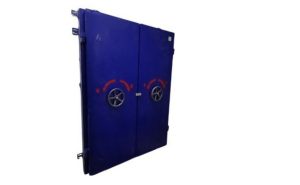
Steel Flood Door Overview
What Is a Steel Flood Door
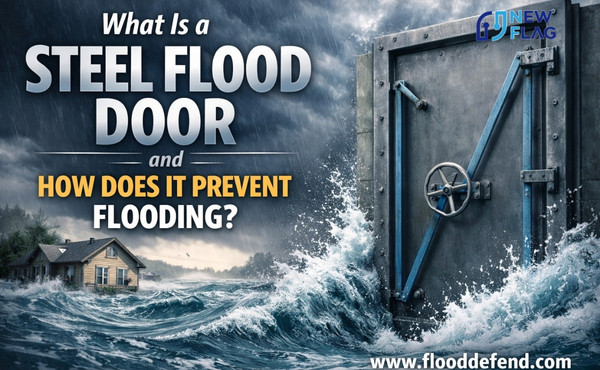
A steel flood door is a specialized entry system built to withstand extreme water pressure. It serves as a barrier that blocks water from entering a building during a flood. Property owners use these doors to protect their assets and maintain safety.
Main Components
Steel flood doors contain several key parts that work together to provide protection. The main components include:
- Door leaf: The solid panel that forms the main body of the door.
- Frame: The structure that supports the door and attaches it to the wall.
- Compression seals: Flexible materials that create a watertight seal when the door closes.
- Locking mechanism: Secure hardware that keeps the door tightly shut during a flood.
Each component plays a role in stopping water from passing through the doorway. Compression seals expand under pressure, which improves the door’s ability to block water.
| Component | Function |
|---|---|
| Door Leaf | Blocks water and debris |
| Frame | Provides structural support |
| Compression Seals | Prevents water leakage |
| Locking Mechanism | Secures the door during floods |
Heavy-Gauge Steel and Reinforced Construction
Manufacturers use heavy-gauge steel to build flood protection doors. This material resists bending and corrosion, which helps the door stay strong during a flood. Reinforced construction adds extra layers and supports to the door, making it more durable.
Steel flood doors often feature welded seams and internal bracing. These features increase the door’s strength and prevent water from seeping through weak spots. The combination of heavy-gauge steel and reinforced construction ensures that the door can handle high water pressure.
Steel flood doors provide reliable protection for buildings in flood-prone areas. Their design and materials help property owners reduce damage and keep their spaces safe.
Flood Barriers for Doors: How Steel Flood Doors Work
Watertight Barrier Mechanism
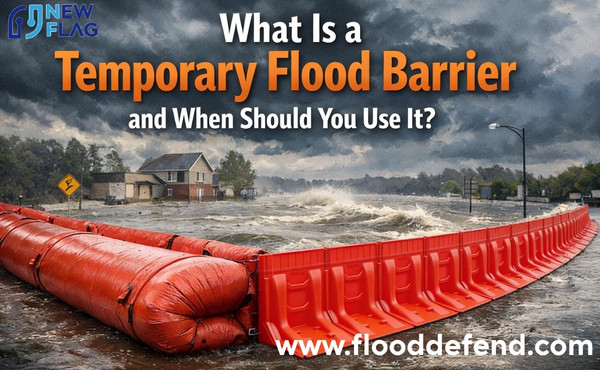
Flood barriers for doors use a combination of strong materials and precise engineering to stop water from entering buildings. The steel flood door acts as a solid shield that blocks water ingress during heavy rainfall or rising water levels. Deployable flood barriers can be set up quickly to add extra protection when a flood is expected.
The door frame and leaf fit tightly together, leaving no gaps for water to pass through. This tight fit is essential for keeping flood water out. Many flood barriers for doors also include deployable flood barriers that can be placed in front of entryways for added defense.
Compression Seals and Flood Pressure
Compression seals play a key role in the effectiveness of flood barriers for doors. These seals are made from flexible materials that expand when the door closes. As flood pressure increases, the seals compress even more, creating a tighter seal against water.
Deployable flood barriers often use similar sealing technology to prevent leaks. The seals work best when the door is properly installed and maintained. This system ensures that even under high flood pressure, water cannot seep through the edges.
| Feature | Benefit |
|---|---|
| Compression Seals | Prevent water leakage |
| Reinforced Construction | Withstands flood pressure |
| Tight Door Fit | Enhances watertight barrier |
Door System Response During Floods
When a flood occurs, the door system responds by locking firmly in place. The reinforced construction of the door and frame resists bending and keeps the barrier strong. Flood barriers for doors are designed to stay secure even if water levels rise quickly.
Deployable flood barriers can be added to increase protection during severe weather. The system works as a team, with each part supporting the others to keep water out. This approach helps prevent costly damage and keeps buildings safe during a flood emergency.
Flood Protection Doors: Key Features
Durability and Strength
Flood protection doors use strong materials to resist damage during a flood. Heavy-duty steel and reinforced frames help these doors withstand high water pressure. Many flood protection products are tested to ensure they can handle extreme conditions.
Manufacturers design flood protection doors to last for many years. The doors often include welded seams and internal supports. These features prevent bending and keep the door stable during a flood.
High-Performance Sealing Systems
Sealing systems play a key role in flood protection. Compression seals expand when the door closes, creating a tight barrier against water. This technology helps prevent leaks even when flood pressure increases.
Flood protection products often use advanced sealing materials. These materials resist wear and stay flexible over time. Proper installation and maintenance help the seals work effectively during a flood.
| Sealing Feature | Benefit |
|---|---|
| Compression Seals | Blocks water entry |
| Flexible Materials | Maintains tight seal |
| Easy Maintenance | Ensures long-term use |
Flood protection doors with high-performance sealing systems offer reliable defense. These doors help keep water out and protect valuable assets.
Compliance and Insurance Recognition
Flood protection doors must meet strict standards. Testing ensures the doors perform well during a flood. Many flood protection products are certified by industry organizations.
Insurance companies often recognize flood protection doors. Property owners may qualify for lower premiums if they install certified doors. Compliance with regulations helps increase trust in these products.
Flood protection is a key part of building safety. Owners should look for products that are tested and recognized by insurance providers.
Benefits of Steel Flood Door Installation
Property and Asset Protection
A steel flood door provides a strong defense for buildings during a flood. It blocks water from entering, which helps protect valuable equipment, inventory, and documents. Many property owners choose flood protection doors to reduce the risk of water damage.
Flood protection is important for homes, businesses, and public buildings. When water stays outside, repairs and replacements become less likely. This means owners can avoid costly losses after a flood event.
Peace of Mind
Floods can happen with little warning. Knowing that flood protection is in place helps people feel more secure. Steel flood doors give building owners confidence that their property is ready for emergencies.
Many people worry about the effects of a flood. Flood protection doors reduce stress because they work automatically when closed. Owners do not need to set up extra barriers or rush to protect their property.
- Flood protection doors offer reliable performance.
- They stay strong under pressure.
- Owners can trust these doors to work when needed.
Long-Term Cost Savings
Flood damage can lead to expensive repairs and insurance claims. Installing flood protection doors helps lower these costs over time. The doors act as a barrier, stopping water before it causes harm.
Insurance companies may offer lower premiums for properties with flood protection. This means owners can save money each year. Flood protection also helps avoid business interruptions and lost income.
| Benefit | Impact |
|---|---|
| Lower Repair Costs | Less damage after a flood |
| Reduced Insurance Rates | Possible premium discounts |
| Fewer Business Losses | Operations continue smoothly |
Flood protection doors are a smart investment for any building in a flood-prone area. They provide lasting value and help owners manage risks more effectively.
Flood Protection: Installation Considerations
Professional vs. DIY Installation
Choosing between professional and DIY installation affects the performance of flood protection doors. Professionals have experience with fitting and sealing doors to block flood water. They use specialized tools and follow strict guidelines to ensure the door works during a flood.
DIY installation may seem cost-effective, but mistakes can lead to gaps or weak seals. These issues reduce the effectiveness of flood protection. Many property owners prefer professional installation for peace of mind and reliable results.
Site Assessment
A site assessment helps determine the best approach for flood protection. Experts inspect the building and identify areas at risk for flood damage. They measure doorways and check for structural weaknesses.
Site assessment also considers the history of flood events in the area. This information guides the selection of the right flood protection solution. Accurate measurements and careful planning help prevent installation challenges.
| Assessment Step | Purpose |
|---|---|
| Measure Doorways | Ensure proper fit |
| Check Structure | Identify weak points |
| Review Flood History | Guide product selection |
Customization and Fit
Customization ensures that flood protection doors match the unique needs of each building. Manufacturers offer doors in different sizes and shapes to fit various entryways. Proper fit is essential for blocking flood water and keeping the building safe.
Installers adjust the door frame and seals to match the site conditions. Customization addresses uneven surfaces and unusual doorway shapes. A tight fit prevents water from leaking through gaps during a flood.
- Custom doors provide better flood protection.
- Adjustments improve sealing performance.
- Proper fit reduces the risk of water damage.
Installation challenges often arise from poor fit or incorrect measurements. Professional installers use precise tools and techniques to overcome these issues. Customization and careful site assessment help ensure that flood protection doors perform as intended.
Steel Flood Door Maintenance
Routine Inspections
Routine inspections help keep steel flood doors ready for emergencies. Property owners should check the door and frame for signs of wear or damage. Inspect the compression seals to make sure they remain flexible and intact. Look for rust or corrosion on the steel surface. Test the locking mechanism to confirm it works smoothly.
A simple checklist can guide the inspection process:
- Examine door leaf and frame for cracks or dents.
- Check compression seals for gaps or hard spots.
- Test locking mechanism for proper function.
- Look for rust or corrosion.
Cleaning and Care
Proper cleaning extends the life of a steel flood door. Use a soft cloth and mild detergent to wipe down the door leaf and frame. Avoid harsh chemicals that may damage the steel or seals. Clean the compression seals gently to remove dirt and debris.
Regular care keeps the door looking good and working well. Dry the door after cleaning to prevent moisture buildup. Lubricate the locking mechanism as needed to ensure smooth operation.
| Cleaning Task | Frequency | Purpose |
|---|---|---|
| Wipe door and frame | Monthly | Remove dirt and grime |
| Clean seals | Quarterly | Maintain flexibility |
| Lubricate locks | As needed | Prevent sticking |
Repair and Replacement
Steel flood doors may need repairs after heavy use or a flood. Replace damaged compression seals to maintain a watertight barrier. Repair dents or cracks in the door leaf and frame. Address rust spots quickly to prevent further corrosion.
If the door or frame suffers major damage, consider replacement. A new flood door restores protection and ensures compliance with safety standards. Professional repair services can fix most issues and help extend the door’s lifespan.
- Replace seals if they lose flexibility.
- Repair dents or cracks promptly.
- Consider replacement for severe damage.
Choosing the Right Flood Protection Solution
When to Use Steel Flood Doors
Steel flood doors work best in areas that face frequent water threats. Buildings with basements, storage rooms, or utility spaces often need extra flood protection. These doors also help in places where valuable equipment or documents are stored.
Some properties sit in low-lying zones or near rivers. These locations face a higher risk of water entering through doorways. Steel flood doors provide a strong defense in these situations.
Comparing Flood Barriers for Doors
Many types of flood barriers for doors exist. Each type offers different levels of protection and ease of use. Steel flood doors give permanent, reliable defense. Other options include removable panels and inflatable barriers.
The table below compares common flood barriers for doors:
| Type | Installation | Protection Level | Maintenance |
|---|---|---|---|
| Steel Flood Door | Permanent | High | Moderate |
| Removable Panel | Temporary | Medium | Low |
| Inflatable Barrier | Temporary | Low to Medium | Low |
Steel flood doors stay in place and do not need setup during an emergency. Removable panels require storage and quick installation before a flood. Inflatable barriers are easy to store but may not block high water pressure.
Factors to Consider
Selecting the right flood protection involves looking at several factors. First, check the building’s location and history of water events. Next, measure doorways to ensure a proper fit for any flood barriers for doors.
Think about how often you need protection. Permanent solutions like steel flood doors work well for frequent threats. Temporary barriers may suit areas with rare water events.
Cost, maintenance, and ease of use also matter. Some flood protection solutions need regular checks and cleaning. Others require little upkeep but may not last as long.
- Assess your risk level.
- Match the barrier type to your needs.
- Plan for maintenance and long-term use.
Conclusion
In summary, a Steel Flood Door provides a reliable, long-term solution for protecting buildings from flood damage. Its durable construction, watertight sealing system, and ability to withstand high pressure make it an essential safeguard for flood-prone areas. By investing in proper installation and maintenance, property owners can reduce risk, protect valuable assets, and ensure greater resilience against extreme weather events.