
Cities face a growing threat from flooding as weather patterns change and urban spaces expand. Flood prevention remains a critical concern for communities wanting to protect homes and infrastructure. Taking action early can make a big difference in preventing flooding and reducing damage. People can prepare for a flood disaster by learning safety tips and applying proven strategies. They should stay alert, check local warnings, and understand how to respond when a flood occurs.
Flood Barriers and Flood Walls
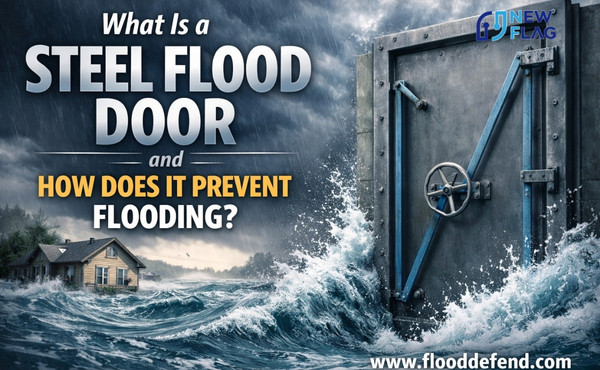
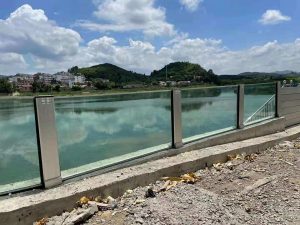
Flood barriers and flood walls are essential tools for protecting urban areas from the devastating effects of flooding. These physical structures are strategically placed in flood-prone areas to block or redirect the flow of water, preventing damage to property and infrastructure.
As urbanization increases, these barriers play a vital role in safeguarding cities against rising water levels, storm surges, and heavy rainfall.
Types of Flood Barriers
There are various types of flood barriers, each designed for specific needs and circumstances. Permanent flood walls are commonly constructed around critical infrastructure, offering long-term protection.
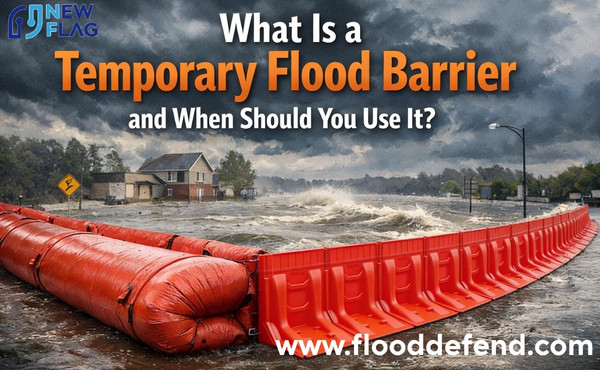
Movable barriers, such as inflatable dams, can be deployed quickly in emergencies, providing temporary flood control when needed. These flexible options make flood barriers a versatile solution for cities at risk of seasonal flooding or unexpected water events.
Benefits of Flood Walls and Barriers
Flood barriers and walls offer significant benefits for urban areas. By creating a physical barrier between floodwaters and buildings, these structures reduce the risk of property damage, minimize disruptions to daily life, and provide peace of mind for residents. Choosing a flood barrier is a very important task.
Additionally, they help to control water flow, preventing flooding from spreading to adjacent areas and allowing for quicker recovery in the aftermath of a flood. When combined with other flood prevention measures, flood barriers enhance the city’s overall resilience.
Drainage Maintenance for Preventing Flooding
Regular drainage maintenance helps cities and neighborhoods stay safe during heavy rains. People who live in a flood-prone area can reduce flood damage by keeping drains clear and working together. Good maintenance routines also help prevent inland flooding and flash floods.
Cleaning Storm Drains and Gutters
Storm drains and gutters collect water from streets and roofs. Leaves, trash, and dirt can block these systems. Blocked drains cause water to back up and increase the risk of flooding.
Residents should check gutters and storm drains before and after storms.
They can use gloves and simple tools to remove debris. People should never try to clear a drain during an emergency or when water is moving fast.
Safety tips: Always wear gloves and use a rake or broom to clear debris. Stay away from standing water during a flood disaster.
Upgrading Drainage Systems
Old or damaged drainage systems may not handle large amounts of water. Cities can upgrade pipes, culverts, and ditches to improve water flow. Homeowners can install better drainage around their property to direct water away from buildings.
These upgrades help prevent flooding and reduce damage during storms. Community groups can ask local leaders to invest in better drainage for areas at risk.
- Signs a drainage system needs upgrading:
- Water pools in yards or streets after rain
- Drains overflow during storms
- Erosion appears near pipes or ditches
Reducing Debris and Waste
Trash and yard waste often block drains and cause flooding. People can help by picking up litter and keeping leaves out of gutters. Neighborhood clean-up days make a big difference.
Schools and community centers can teach others about the dangers of blocked drains. Working together helps prevent flooding and protects everyone from flood damage.
Note: Quick action to remove debris can stop flash floods and reduce the impact of an emergency.
Proper drainage maintenance remains a key method for preventing flooding and limiting disaster damage. When everyone helps, the whole community becomes safer.
Home Flood Protection and Safety Tips
Homeowners can take simple steps to protect their property from flooding. These actions help reduce flood damage and keep families safe during a disaster. Following safety tips before, during, and after a storm can make a big difference.
Sump Pumps and Backflow Valves
Sump pumps remove water that collects in basements or crawl spaces. They help prevent flooding by moving water away from the home. People should test sump pumps before heavy rain.
They need to check that the pump works and the battery backup has power. Backflow valves stop water from flowing back into the house through drains. Installing these valves can protect against sewer backups during flash floods or inland flooding. Homeowners should ask a professional to inspect and maintain these devices every year.
Tip: Keep the area around the sump pump clear so it can work without blockages.
Sealing Basements and Barriers
Water can enter basements through cracks in walls or floors. Sealing these cracks with waterproof materials helps keep water out. People can use barriers like sandbags or flood panels to block water from doors and windows.
They should place barriers before a storm starts. Checking basement walls for leaks and sealing them early prevents damage during flooding. Families should store important items on shelves or in waterproof containers.
- Steps for sealing basements:
- Inspect walls and floors for cracks.
- Apply waterproof sealant to problem areas.
- Set up barriers at entry points.
Emergency Electrical Safety
Flooding can cause electrical hazards. People should know how to shut off electricity at the main breaker. If water enters the home, they must turn off power right away. Never touch electrical equipment when standing in water.
Families should keep a flashlight and batteries in an easy-to-reach place for emergencies. These steps protect everyone from injury and reduce damage during a flood disaster.
Safety reminder: Call an electrician if unsure how to turn off power safely.
Taking these steps helps in preventing flooding and limits flood damage. Homeowners who prepare in advance stay safer during emergencies and recover faster after storms.
Urban Planning for Flooding Prevention
Urban planning shapes how cities respond to flooding and inland flooding. City leaders use zoning and development controls to guide where buildings stand and how land is used. These policies help keep homes and businesses away from areas with high flood risk.
They also limit construction in places that often see flash floods or suffer from flood damage.
Zoning and Development Controls
Zoning rules decide which areas can have homes, shops, or factories. Cities use these controls to keep new buildings out of flood-prone zones. They also require builders to raise structures above expected water levels. Some cities set rules for green spaces that absorb rainwater and reduce damage from inland flooding. These steps protect people and property from flooding.
Tip: Residents can attend city meetings and support zoning plans that lower flood risk.
Flood Risk Assessments
Flood risk assessments help planners understand which areas face the most danger from flooding and inland flooding. Experts study maps, rainfall data, and past flood damage to predict where water will go during storms. Cities use this information to plan roads, parks, and drainage systems. Assessments also guide emergency plans for flash floods and inland flooding. People who live in risky areas can learn about their flood risk and prepare for possible damage.
- Flood risk assessments include:
- Studying rainfall patterns
- Checking soil and land slopes
- Reviewing past flood damage
Incentives for Resilient Construction
Cities offer incentives to encourage builders to use flood-resistant designs. These rewards may include tax breaks or faster permits for projects that protect against flooding and inland flooding. Builders use strong materials and raise buildings to reduce damage.
Incentives help neighborhoods recover faster after storms and lower the cost of repairs. Residents can ask city leaders to support programs that make homes and businesses safer from flood damage.
Urban planning helps cities prevent flooding and inland flooding. When leaders and residents work together, they reduce damage and keep communities safe.
Conclusion
Cities can prevent flooding by using green infrastructure, maintaining drainage, protecting homes, and planning wisely. These methods help keep people safe from flash floods and reduce the damage caused by flood waters.
Community members, city leaders, and families all play a role in flood prevention. They should learn safety tips and act before flash floods happen. For more information, they can visit local emergency management websites or talk with city officials.
Tip: Stay informed and join community workshops to learn more about flood safety.