Steel flood doors are a vital solution for protecting buildings from water damage during floods. Designed to create a robust barrier against rising waters, these doors help keep interiors dry and minimize costly repairs. Leading manufacturers ensure their products meet strict standards, providing reliable flood protection. In this article, we’ll explore how steel flood doors work, their benefits, and why they are essential for flood prevention. Read on to discover how they can safeguard your property from flooding.
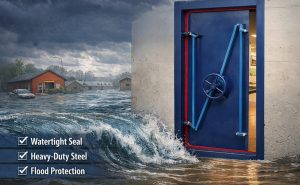
Steel Flood Doors and Water Protection
Reinforced Steel Construction
Heavy-Gauge Materials
Steel flood doors use heavy-gauge materials to resist flooding. Thick steel panels block water from entering buildings. This helps with drying and reduces the need for flood cleanup.
Frame Strength
Strong frames hold steel flood doors in place during a flood. The frame prevents bending or warping when water pressure rises. This keeps interiors dry and supports mold remediation efforts.
High-Performance Sealing Systems
Compression Seals
Compression seals create tight barriers around steel flood doors. These seals stop water from leaking into flooded homes. Drying becomes easier, and dehumidification works better when compression seals are effective.
- Compression seals help prevent mold and improve indoor air quality.
- They reduce water damage and support mold prevention.
Watertight Barriers
Watertight barriers add another layer of protection during flooding. These barriers block water and limit flood cleanup needs. Drying is faster, and mold remediation is less necessary when watertight barriers perform well.
| Feature | Benefit |
|---|---|
| Heavy-Gauge Materials | Strong resistance to flood |
| Compression Seals | Improved drying and mold prevention |
| Watertight Barriers | Less water damage restoration |
Steel flood doors combine reinforced construction and advanced sealing systems. This combination keeps interiors dry after a flood. It also helps prevent mold and reduces water damage.
How Steel Flood Doors Withstand Flooding
Flood Pressure Resistance
Steel flood doors face intense pressure during a flood. Water pushes against doors with great force. These doors must stay strong to keep interiors dry.
Engineers design steel flood doors to resist this pressure. They use thick steel and sturdy frames. This helps the door hold its shape even when flooding is severe.
A strong door prevents water from entering. It also stops moisture from soaking walls and floors. This reduces the risk of mold growth after a flood.
Testing and Certification
FEMA Standards
Steel flood doors must meet strict standards. The Federal Emergency Management Agency (FEMA) sets rules for flood protection products. These rules make sure doors can handle real flooding events.
FEMA tests doors for water resistance and strength. Only doors that pass these tests receive certification. Certified doors give property owners peace of mind during a flood.
| FEMA Standard | What It Means for You |
|---|---|
| Water Tightness | Less water enters your building |
| Structural Strength | Door stays in place during flooding |
| Mold Prevention | Lower risk of mold after a flood |
Third-Party Verification
Independent labs also test steel flood doors. These labs check if the doors meet FEMA standards. They use special equipment to simulate flooding.
Third-party verification adds another layer of trust. Property owners know the door will perform as promised. This helps prevent water damage and mold problems.
- Look for doors with both FEMA certification and third-party verification.
- These doors offer the best protection during a flood.
Steel flood doors that pass these tests keep interiors dry. They help stop water from entering and lower the chance of mold. Choosing a certified door is a smart step for flood safety.
Steel Flood Doors vs. Other Flood Solutions
Traditional Doors Comparison
Traditional doors often fail during flooding. They lack reinforced materials and advanced seals. Water can seep through gaps, causing flood cleanup to take longer. Mold grows quickly when moisture enters the building. Steel flood doors use heavy-gauge steel and compression seals. These features block water and help keep interiors dry.
| Door Type | Water Resistance | Mold Prevention | Flood Cleanup Needed |
|---|---|---|---|
| Traditional Door | Low | Low | High |
| Steel Flood Door | High | High | Low |
Flood Barriers and Shields
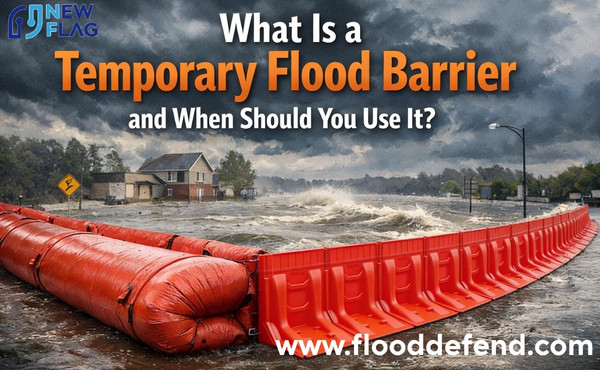
Flood barriers and shields provide temporary protection. Property owners place them outside entrances before a flood. These solutions can help reduce water entry, but they require setup and removal. If barriers are not installed correctly, water can leak inside. Flood cleanup becomes more difficult when water bypasses shields. Mold may develop if moisture stays trapped.
Steel flood doors remain in place year-round. They do not need extra setup. Their reinforced construction and sealing systems work automatically during flooding. This reduces the risk of water damage and mold growth.
- Flood barriers are useful for short-term protection.
- Steel flood doors offer permanent defense and easier drying.
Permanent vs. Temporary Options
Permanent flood solutions stay ready at all times. Steel flood doors are a permanent option. They protect interiors during every flooding event. Temporary options, like sandbags or portable shields, require manual installation. These methods may not block all water. Flood cleanup is often more extensive with temporary solutions.
Steel flood doors withstand repeated flooding. They resist water pressure and help prevent mold. Property owners spend less time and money on flood cleanup. Permanent doors also improve indoor air quality after a flood.
| Solution Type | Installation Needed | Effectiveness | Mold Prevention | Flood Cleanup |
|---|---|---|---|---|
| Permanent (Steel Flood Door) | Professional | High | High | Low |
| Temporary (Barriers/Shields) | Manual | Medium | Medium | Medium |
Steel flood doors provide reliable protection. They keep interiors dry, reduce flood cleanup, and limit mold growth. Property owners benefit from their durability and ease of use during flooding.
Key Features for Drying and Protection
Durability and Longevity
Steel flood doors offer strong protection during flood events. Their heavy-gauge steel construction resists corrosion and physical damage. This durability supports drying by keeping water out and reducing the need for flood cleanup.
Long-lasting doors help prevent mold by stopping moisture from entering. Property owners benefit from fewer repairs and less water damage restoration. Reliable doors also improve mold prevention after repeated flooding.
Seal Quality and Hardware
High-quality seals play a key role in drying. Compression seals and watertight barriers block water from entering the building. These features support mold prevention and limit mold remediation needs.
Strong hardware keeps the door tightly closed during a flood. Secure hinges and locking systems prevent leaks and help with drying. Quality seals also improve dehumidification by keeping interiors dry.
| Feature | Drying Benefit | Mold Prevention Impact |
|---|---|---|
| Compression Seals | Faster drying | Less mold remediation |
| Watertight Barriers | Improved drying | Better mold prevention |
| Secure Hardware | Reduced flood cleanup | Prevent mold growth |
Effective seals and hardware reduce water damage and support mold prevention. They help property owners avoid extensive flood cleanup and mold remediation.
Maintenance Needs
Regular maintenance keeps flood doors working well. Property owners should inspect seals and hardware for wear. Clean seals and lubricate hinges to support drying and mold prevention.
Routine care helps prevent mold and improves post-flood drying. Maintenance also reduces the need for water damage restoration and mold remediation. Well-maintained doors support dehumidification and protect indoor air quality.
- Inspect seals monthly for cracks or gaps.
- Clean door surfaces to remove dirt and debris.
- Lubricate hinges and locks to ensure proper function.
Steel flood doors combine durability, quality seals, and regular maintenance. These features help keep interiors dry, prevent mold, and reduce flood cleanup. Property owners benefit from improved drying, better mold prevention, and less water damage.
Installation and Maintenance of Flood Doors
Site Assessment
A site assessment helps determine the best location for a flood door. Inspect the building for areas most at risk during a flood. Look for low entry points and places where water can enter easily.
A professional will measure the doorway and check for structural weaknesses. This step ensures the flood door fits securely and blocks water. Site assessment also identifies potential mold risks after flooding.
Proper Fitting
Proper fitting is essential for flood protection. Installers use precise measurements to ensure the door fits tightly. A snug fit prevents water from seeping through gaps.
Installers check the frame and hardware for strength. They secure the door to withstand flood pressure. Proper fitting helps limit water damage and supports dehumidification after a flood.
| Step | Benefit |
|---|---|
| Accurate Measurement | Less water entry |
| Secure Installation | Reduced mold remediation |
| Tight Seals | Improved dehumidification |
A well-fitted flood door lowers the risk of mold and makes flood cleanup easier. It also helps maintain indoor air quality.
Routine Care
Routine care keeps flood doors working well. Inspect seals and hardware every month. Clean the door surface to remove dirt and debris.
Lubricate hinges and locks to ensure smooth operation. Replace worn seals to maintain watertight barriers. Routine care supports drying and reduces the need for mold remediation.
- Check for cracks or gaps in seals.
- Clean and lubricate moving parts.
- Replace damaged hardware promptly.
Regular maintenance helps prevent mold and supports dehumidification. It also lowers flood cleanup costs and keeps interiors dry after a flood.

Real-World Flooding Performance
Residential Case Studies
Many homeowners have installed steel flood doors to protect their properties. In one neighborhood, several houses faced a major flood. Homes with these doors stayed dry inside, while others needed extensive flood cleanup. Residents reported that their walls and floors did not absorb water. This helped them avoid costly repairs and mold remediation.
A family living near a river shared their experience. Their steel flood door blocked water during a sudden flood. They only needed minor cleaning, and their home did not develop mold. Neighbors without flood doors spent weeks on flood cleanup and mold remediation.
Commercial Applications
Businesses also benefit from steel flood doors. A warehouse in a low-lying area installed these doors before the rainy season. When a flood hit, the doors kept inventory and equipment safe. The company avoided major losses and did not need to close for repairs.
Office buildings in flood-prone zones use steel flood doors to protect important documents and electronics. Employees returned to work quickly after a flood. The doors prevented water from entering, so the company did not require mold remediation services.
| Application Type | Benefit | Result |
|---|---|---|
| Warehouse | Protected inventory | No flood cleanup |
| Office Building | Safe work environment | No mold remediation |
Steel flood doors help businesses save money and time. They also keep employees and customers safe during a flood.
Lessons from Past Floods
Past floods have shown the value of strong flood protection. Properties with steel flood doors often recover faster. Owners spend less time and money on flood cleanup. They also avoid health risks linked to mold.
Flooding can happen with little warning. Steel flood doors provide a reliable barrier. These doors support quick recovery and reduce the need for mold remediation.
Steel flood doors have proven their effectiveness in real-world situations. Both homes and businesses benefit from their protection. Choosing the right flood door can make a big difference after a flood.
Choosing the Right Steel Flood Door
Assessing Flood Risk
Every property faces a different level of risk from flood events. Start by checking if your building sits in a low-lying area or near a body of water. Review local flood maps and ask local authorities about past flooding in your neighborhood.
A high risk means you need stronger protection. Look for places where water could enter, such as doors at ground level or basement entrances. Make a list of these entry points before choosing a flood door.
Certified Installers
Proper installation is key to flood protection. Certified installers have training and experience with flood doors. They know how to fit the door tightly and test the seals.
Ask for proof of certification before hiring an installer. Certified professionals follow safety standards and building codes. This ensures your flood door will work during a real flood.
A poor installation can let water leak inside. This increases the risk of water damage and mold. Choose a certified installer to protect your property and keep interiors dry.
- Request references from previous customers.
- Check that the installer offers a warranty on their work.
Cost vs. Protection
Flood doors are an investment in your property’s safety. The price depends on the size, materials, and features of the door. Compare the cost of a flood door to the expenses of flood cleanup and repairs.
| Option | Upfront Cost | Long-Term Savings | Mold Prevention | Flood Cleanup Needed |
|---|---|---|---|---|
| Flood Door | Medium-High | High | Yes | Low |
| No Flood Door | Low | Low | No | High |
A quality flood door can prevent thousands of dollars in damage. It also reduces the time and stress of cleaning up after a flood. Permanent protection lowers the risk of mold and keeps your building safe during flooding.
Choosing the right steel flood door involves careful planning. Assess your risk, hire certified installers, and weigh the cost against the benefits. These steps help ensure your property stays dry and safe during every flood.
Conclusion
Steel flood doors offer essential protection by preventing water from entering buildings during floods, reducing cleanup time and minimizing mold risks. Their durable construction, high-performance seals, and FEMA certification make them a reliable solution for both residential and commercial properties. By choosing steel flood doors, property owners invest in long-term flood protection, reducing costly repairs and mold remediation. For anyone in flood-prone areas, these doors provide a smart, effective defense against water damage.