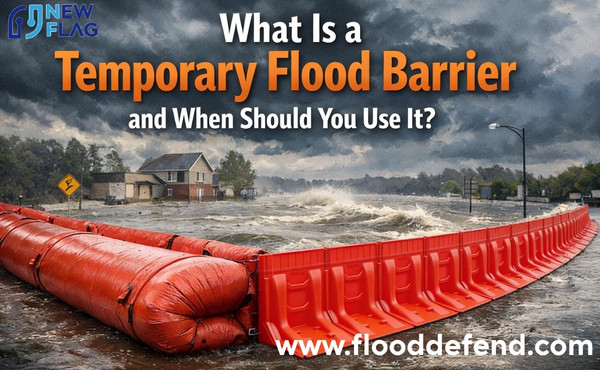
Flood gate automation offers a powerful solution for flood protection in cities and rural areas. Automated flood gates use technology to detect rising water and respond quickly, blocking floodwaters before they reach homes and businesses.
These systems provide flood protection during heavy rain or storm surge, even when people cannot act.
Principles of Flood Gate Automation
How Automated Flood Gates Work
Automatic flood gate systems protect communities by responding to rising water levels. These gates use sensors to detect changes in water height. When water reaches a certain point, the system activates the gate.
The gate then moves into position to block the flow of water. This process helps prevent damage to homes, businesses, and public spaces.
Some automatic flood gate designs use the float principle. In these systems, the gate contains a float chamber. As flood water enters the chamber, the float rises. The rising float triggers the gate to lift or swing into place. Hydrodynamic mechanisms also play a role. Water pressure pushes against the gate, helping it seal tightly and resist the force of the flood.
After the flood recedes, the gate resets itself. The float drops as water drains away. The gate returns to its original position, ready for the next event. This self-sufficiency makes automatic flood gate systems reliable for ongoing flood control.
Key Mechanisms and Components
Automatic flood gate systems use several important components. Each part works together to provide strong flood control.
- Sensors: These devices measure water levels. They send signals to the gate system when flood water rises.
- Float Chambers: The float chamber holds a buoyant device. As flood water enters, the float rises and activates the gate.
- Hydrodynamic Seals: These seals keep water from leaking past the gate. Water pressure helps the seal stay tight during a flood.
- Gate Panels: The panels form the physical barrier. They can slide, pivot, or flap depending on the design.
- Reset Mechanisms: After the flood, these parts help the gate return to its starting position.
Types of Flood Barriers and Protection Gates
Hydrodynamic and Float-Operated Gates
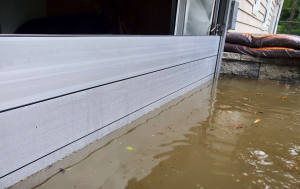
Hydrodynamic and float-operated gates represent a vital part of flood protection systems. These flood barriers use water movement and buoyancy to activate automatically. When flood water rises, the float mechanism lifts the flood protection gate into position.
Pivot, Flap, and Slide Gates
Pivot, flap, and slide gates offer flexible solutions for flood defense. These flood barriers use mechanical movement to block flood water. A pivot gate swings into place when sensors detect rising water. Flap gates lift or drop to seal an opening. Slide gates move horizontally to cover wide or narrow spaces.
Each flood protection gate type adapts to different building designs and site needs. Modern flood barriers use watertight seals to prevent leaks. Engineers select pivot, flap, or slide flood barriers based on the size and shape of the area needing flood protection.
| Gate Type | Movement Style | Best Use Case | Key Feature |
|---|---|---|---|
| Pivot Gate | Swings | Doorways, alleys | Quick deployment |
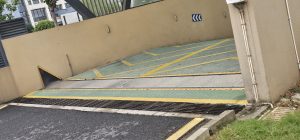
| Flap Gate | Lifts/Drops | Basements, garages | Watertight seal |
| Slide Gate | Slides | Wide openings | Adaptable coverage |
Automatic Flood Barriers for Wide Openings
Automatic flood barriers protect large spaces such as roads, parking lots, and building entrances. These flood barriers use sensors and mechanical systems to activate quickly when flood water threatens. Automatic flood barriers for wide openings can rise, slide, or swing into place, depending on the design.
Hydraulic flood barriers use fluid power to move heavy panels, making them suitable for industrial sites. Engineers install automatic flood barriers to cover long stretches and complex shapes. These flood barriers offer strong flood protection for public infrastructure and commercial properties.
Modern flood barriers combine self-raising features, watertight seals, and adaptability for different openings.
Tip: Automatic flood barriers reduce the need for human intervention and provide rapid flood response.
Flood barriers play a crucial role in flood defense. Each flood protection gate type offers unique advantages for different environments. Automatic flood barriers, hydrodynamic flood barriers, and hydraulic flood barriers help communities prepare for flood events. Modern flood barriers improve safety and reliability for homes and businesses.
Automation Technologies in Flood Barriers
Sensors and Real-Time Monitoring
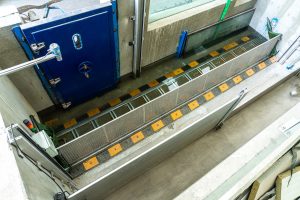
Modern flood barriers rely on advanced sensors and real-time monitoring systems to improve flood protection. Sensors measure water levels, pressure, and flow rates. These devices send data to control systems that activate flood gates when needed.
Real-time monitoring systems track changes in the environment and provide instant alerts. Engineers use flood detection systems to identify threats before water reaches critical areas.
These technologies help communities respond quickly to flood events and reduce damage.
Remote Control Systems
Remote control systems give operators the ability to manage flood barriers from a distance. These systems use wireless networks and secure connections to send commands. Operators can open or close gates, check system status, and adjust settings without being on-site.
Remote control systems improve safety because workers do not need to enter dangerous flood zones. These systems also allow for quick action during emergencies. Flood detection systems work with remote control systems to automate responses and reduce human error.
Data Analytics for Flood Response
Data analytics play a key role in flood management. These systems collect information from sensors, real-time monitoring systems, and flood detection systems. Engineers analyze data to predict flood patterns and plan responses.
Data analytics help communities prepare for future flood events by identifying risks and improving system performance. These systems also support maintenance by tracking equipment health and alerting operators to problems.
Flood barriers use automation technologies to protect people and property. Sensors, real-time monitoring systems, remote control systems, and data analytics work together to create strong flood defenses. These systems make flood protection faster, smarter, and more reliable.
Benefits of Automated Flood Protection
Reliability and Speed
Automated flood protection systems deliver fast and reliable flood protection. These solutions activate instantly when sensors detect rising water. Engineers design flood protection systems to respond without delay, which helps communities avoid damage.
Reliable flood protection means gates and barriers work every time, even during power outages. Automated flood protection solutions use mechanical and hydrodynamic features to ensure effective flood protection.
People trust these flood protection measures because they do not require manual operation.
Cost-Effectiveness and Safety
Automated flood protection systems offer cost-effective solutions for cities and businesses. These flood protection solutions require less maintenance and fewer repairs than manual barriers. Automated flood protection measures last longer because they use durable materials and smart technology.
Flood protection systems help communities save money by reducing flood damage and lowering insurance costs. Safety improves because automated flood protection solutions prevent accidents during flood events. People rely on these flood protection measures as part of comprehensive flood protection strategies.
| Benefit | Description |
|---|---|
| Cost savings | Fewer repairs and lower insurance expenses |
| Improved safety | Less risk for workers and residents |
| Long-term durability | Strong materials and reliable flood protection systems |
Installation and Maintenance of Flood Barriers
Customization for Properties
Engineers design flood barriers to fit many types of properties. Each property faces unique flood risks. Flood management experts assess the site before installation. They measure openings, check ground levels, and study water flow patterns.
Professional installation teams select the best flood barrier for each location. They use custom panels for doorways, driveways, and wide entrances. Homeowners and business owners benefit from tailored solutions.
Maintenance Needs
Flood barriers require regular maintenance to stay effective. Technicians inspect seals, sensors, and moving parts. They clean debris from float chambers and check for damage. Regular maintenance prevents failures during flood events. Flood management teams schedule inspections after heavy storms.
They replace worn components and test automatic systems. Professional installation companies often offer maintenance plans. These plans include routine checks and emergency repairs. Regular maintenance supports long-term flood management and keeps barriers ready for action.
Integration with Flood Management
Flood barriers work best when integrated with broader flood management strategies. Communities use flood management plans to coordinate defenses. Engineers connect flood barriers to monitoring systems and warning networks. Flood management teams train staff to respond quickly during emergencies.
Conclusion
Flood gate automation stands as a vital tool for modern flood protection. Automated systems help communities respond to flood threats quickly. These gates block flood water before it causes damage.
Flood barriers work in many settings, from homes to public spaces. People trust automated flood gates for reliable flood defense. Flood safety improves when technology leads the response. Fl