The Real Costs of Flooding
Property and Financial Losses
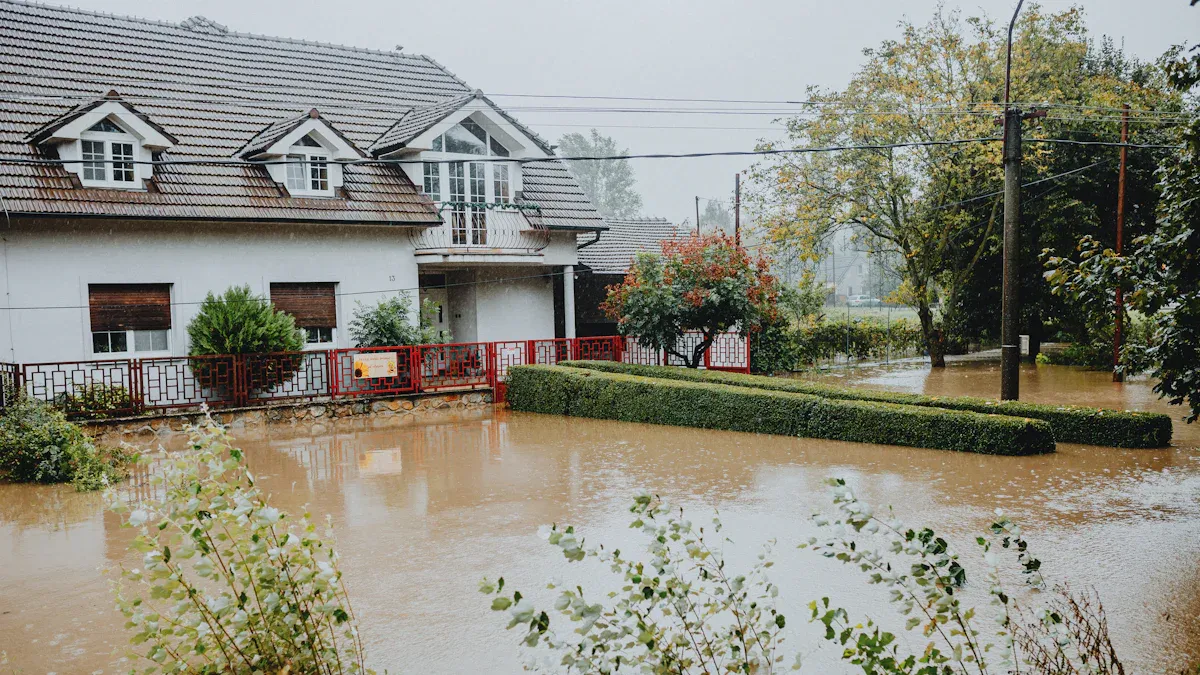
Flooding can damage homes, vehicles, and personal belongings. The costs of repairs and replacements often add up quickly. Many families face the financial impact of floods, which can last for years.
Business and Economic Disruption
Flood events can shut down stores, factories, and offices. The costs of operational downtime affect both small and large companies. The economic impact of flooding can ripple through local economies.
- Businesses may lose inventory and equipment.
- Operational downtime can lead to missed sales and lost customers.
- The impact on businesses can threaten jobs and income.
| Type of Disruption | Example | Costs Involved |
|---|---|---|
| Operational Downtime | Factory closure | Lost revenue |
| Inventory Loss | Damaged goods | Replacement expenses |
| Service Interruption | Office shutdown | Missed contracts |
A protective shield for a business can help reduce these risks.
Social and Community Impact
Flooding can separate families and disrupt schools. The costs of rebuilding roads and utilities strain local budgets. The economic impact of flooding can slow community recovery.
The costs of flooding reach far beyond property damage. The economic impact of flooding affects everyone in the area.
How Flood Barriers Prevent Flooding
Types of Flood Barriers
Flood barriers come in many forms. Permanent barriers include levees, flood walls, and embankments. Temporary options, such as sandbags and portable flood gates, allow quick deployment during emergencies.
Some communities use nature-based flooding solutions. These include wetlands and green spaces that absorb water. Each type plays a role in flood mitigation and helps reduce flood-related damages.
| Type | Description | Use Case |
|---|---|---|
| Levee | Raised earth embankment | Riverbank protection |
| Flood Wall | Concrete or steel structure | Urban areas |
| Sandbags | Stacked bags of sand | Emergency response |
| Wetlands | Natural water absorber | Rural flood mitigation |
Preventing Flood Damage Effectively
Flood barriers help communities avoid costly repairs. They block water from entering homes and businesses. Many cities have seen fewer flood-related damages after installing flood defences.
Case studies show that flood barriers reduce the impact of storms. In some regions, flood mitigation has lowered insurance claims and improved recovery times.
Versatility and Limitations
Flood barriers offer flexibility for different environments. Portable barriers work well for short-term flood mitigation. Permanent structures provide long-term protection against flooding.
However, flood barriers have limits. Extreme flood events can overwhelm even strong flood mitigation systems. Some barriers may displace water to nearby areas, causing new risks.
Flood mitigation measures work best when combined with planning and community action. Regular maintenance and upgrades help ensure continued success in preventing flood-related damages.
Investing in Flood Barriers: Cost vs Benefits
Upfront and Maintenance Costs
Investing in flood defence often requires a significant initial outlay. The costs include materials, installation, and engineering work. Maintenance costs also play a role in keeping flood mitigation systems effective over time.
Property owners and communities must budget for regular inspections and repairs. These costs can vary based on the type of flood defences and the local environment. Temporary barriers may have lower upfront costs but need more frequent replacement.
A proactive approach to maintenance helps prevent system failures. Well-maintained flood mitigation measures can last for decades. This long-term view supports the value of investing in flood barriers.
Return on Investment and Cost Savings
Flood mitigation offers substantial cost savings by reducing damage from flooding. The financial benefits of flood barriers become clear when comparing the costs of repairs to the costs of prevention. Many studies show that every dollar spent on flood defence investments can save several dollars in avoided losses.
Communities that focus on proactive investments in flood defence often see fewer disruptions. These cost savings extend to businesses, schools, and public infrastructure. Maximizing return on investment means planning for both immediate and future flood risks.
A proactive approach to flood mitigation also supports economic stability. The benefits include job protection, business continuity, and reduced recovery times after a flood. These factors make investing in flood barriers a smart choice for many areas.
Case Studies in Investing in Flood Defence
Several cities have seen positive results from investing in flood barriers. For example, one coastal town installed new flood defences after a major storm. The next time flooding threatened the area, the barriers prevented millions of dollars in property damage.
A rural community used a mix of permanent and temporary flood mitigation solutions. After heavy rainfall, the flood defences protected homes and farmland. The investment paid off by avoiding costly repairs and keeping families safe.
| Location | Type of Flood Mitigation | Outcome | Cost Savings |
|---|---|---|---|
| Coastal Town | Flood Barriers | Prevented property damage | Millions saved |
| Rural Community | Mixed Defences | Protected homes and farmland | High |
| Urban Area | Flood Walls | Reduced business disruption | Substantial |
Flood defence investments can also create new challenges. Sometimes, barriers may displace water to nearby areas, increasing flood risk for neighbors. Careful planning and community cooperation help manage these risks.
The benefits of investing in flood defence go beyond financial gains. Communities gain peace of mind and greater resilience. Substantial cost savings and improved safety make flood mitigation a wise investment for the future.
Long-Term Value of Investing in Flood Defence
Insurance and Property Value
Flood mitigation can help lower insurance premiums for property owners. Insurance companies often reward homes and businesses that use flood mitigation strategies. Properties with strong flood mitigation measures may keep their value even after flooding events.
A home protected by flood barriers is less likely to suffer damage. This protection can make it easier to sell or rent the property. Buyers and renters look for long-term value when choosing a safe place to live or work.
| Benefit | Impact on Property |
|---|---|
| Lower Insurance Costs | Reduced monthly expenses |
| Stable Property Value | Easier resale |
| Fewer Repairs Needed | Less financial stress |
Community Resilience and Stability
Flood mitigation builds long term resilience for communities. When neighborhoods invest in flood mitigation, they recover faster after a flood. Schools, hospitals, and businesses can reopen quickly, which helps everyone.
Flood mitigation also supports social stability. Families can stay in their homes and children can return to school sooner. Communities with strong flood mitigation plans face less disruption from flooding.
Flood mitigation creates lasting benefits for everyone. It protects property, supports economic growth, and strengthens community bonds.
Conclusion
In summary, flood barriers offer a practical, long-term way to reduce property damage, business disruption, and community recovery costs. While they require upfront investment and ongoing maintenance, their value becomes clear when compared to the high expenses of flood losses. With the right planning and regular upkeep, flood barriers can strengthen resilience, lower insurance and repair costs, and protect livelihoods. For many areas, they are a wise investment for lasting protection.